


I have a 9-to-5 job, limited annual leave and no trust fund, and I’ve still been to 55+ countries. Most of them on my own, some with my partner or friends.
There’s no secret. Budget travel with a full-time job is mostly about two things: getting more days off out of your leave, and not paying for things you don’t need. Here are the 8 things I actually do, and what a few of my trips really cost.
Quick answer:
- Biggest saving: plan trips around public holidays, so a few leave days turn into long breaks.
- Flights: set price alerts, be flexible on dates, and add a cheap stopover instead of flying direct.
- Stay: hostels or budget hotels, depending on the trip.
- Bags: small bag for short trips, no hold luggage.
- Money: a travel card so you don’t pay bank fees abroad.
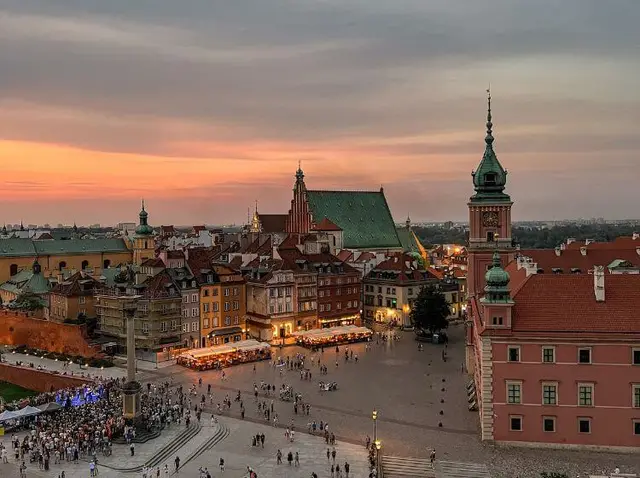
- Real example: two days in Warsaw cost me about €80–110 ($90–123), not counting transport there.
1. Plan your leave around public holidays
The cheapest way to travel more with a full-time job is to make your leave go further. Book leave days next to public holidays and weekends, and a few days off turn into a week or more.
For 2027 in Malta, I worked out a plan that turns 21 days of leave into 56 days off. The full plan, with 3 places to fly for each break, is in Malta public holidays 2027. If you’re in the UK, the same idea works with bank holidays.
2. Work remotely for part of the trip
If your job allows it, working from abroad means a trip costs fewer leave days. You work in the day and explore in the evenings and at weekends.
I did this in Durres, Albania: I worked from my apartment, the wifi was fine, and the beach was there after work. More in things to do in Durres. Check your company’s rules first, and the time zone: working Europe hours from far away can mean very early or very late calls.
3. Set price alerts and add a stopover
I never book the first flight I see. I set price alerts on Kiwi and wait for the price to drop.
I also look at routes with a stop. On my way to Pakistan, I added three days in Kuwait on purpose: Malta to Istanbul, Istanbul to Kuwait, then Kuwait to Islamabad. All three flights came to about €536 ($600), about the same as flying there without the stop, and I got a new country out of the journey. The whole trip is in my Kuwait stopover guide.
4. Be flexible with your dates
Weekend flights can cost double a weekday flight. If you can move your dates by a day or two, you’ll often save a lot.
I use two sites for different jobs. Skyscanner shows the cheapest destinations from your airport: pick “Everywhere” and your dates, and see where’s cheap. Kiwi is better when I know roughly when I want to go: search a range of dates, or a whole month, and it finds the cheapest day. In India, I booked domestic flights on Booking.com, because it showed fares that already included checked luggage.
5. Pick countries where your money goes further
The same budget lasts much longer in some countries than others. The places where my money went furthest were India, Vietnam, and Albania.
In Albania, food and drinks were cheap and the beaches were free (see Tirana and Durres). For India, start with my 2-week North India itinerary. For Vietnam, see Hanoi and Hoi An.
6. Stay in hostels or budget hotels
Accommodation is usually the biggest cost after flights. I don’t always stay in the same kind of place: it depends on the trip.
Hostels are great for short city breaks, and many have private rooms if you don’t want a dorm. In Warsaw I paid €20 ($22) for a night at Chillout Hostel; in Bari, €36.72 ($41) at Habari We Dorm. Other times a cheap private hotel room is the better deal, especially if there are two of you. Read the reviews and check the location, so you don’t spend what you saved on taxis.
7. Pack light and skip the hold bag
Checked luggage adds up fast on budget airlines, and some buses charge for big bags too. How much I take depends on how long I’m going for: a small bag for short trips, something bigger only for long ones.
You can do laundry on the road, so you don’t need a clean outfit for every day. My packing tips:
- Put liquids into bottles under 100 ml so they pass airport security.
- Buy bigger toiletries at your destination.
- Roll your clothes tightly, and use compression packing cubes.
- Take travel sizes of everything: brush, towel, deodorant, toothpaste.
- Always check your airline’s cabin bag size before you fly.
8. Use a travel card to avoid bank fees
Normal bank cards often charge a fee every time you pay or take out cash abroad, plus a bad exchange rate. A travel card from an online bank such as Revolut or Monzo lets you pay at a much better rate with lower or no fees. That’s more money for the trip itself. I use Revolut: if you want to try it, you can sign up with my referral link.
What my trips really cost
Three real examples, all travelling solo. Dollars at about €1 = $1.12 (November 2026 rate).
| Trip | When | Length | Cost (€) | Cost ($) | What’s included |
|---|---|---|---|---|---|
| Warsaw | August 2023 | 2 days | about €80–110 | about $90–123 | 1 hostel night, food, sights; not the train in or flight home |
| Bari | June 2023 | weekend | about €88–108 | about $99–121 | 1 dorm night, food, sights |
| Kuwait | September 2026 | 3 days | about €375 | about $420 | hotel, Careem rides, food; not flights or shopping |
The flights for the Kuwait trip (Malta to Islamabad with the Kuwait stop) were about €536 ($600) on top.
FAQ
Can you travel a lot with a full-time job? Yes. Plan leave around public holidays, add weekends, and work remotely for part of a trip if your job allows it. That’s how I’ve been to 55+ countries with limited annual leave.
What’s the cheapest part of a trip to cut? Usually flights and accommodation. Flexible dates, price alerts and hostels or budget hotels make the biggest difference.
Where is cheap to travel? For me, India, Vietnam and Albania were where my money went furthest.
Do I need a travel card? You don’t need one, but it saves on card fees and exchange rates every time you pay abroad.
Keep reading
- Budget travel tips for Europe
- Malta public holidays 2027: 56 days off with 21 days of leave
- Kuwait stopover: 3 days on the way to Pakistan
- The free budget trip checklist: sign up below and I’ll send it to you.