

Heads up: this guide has affiliate links. If you book through them I may earn a small commission, at no extra cost to you. It helps keep this site free. How it works
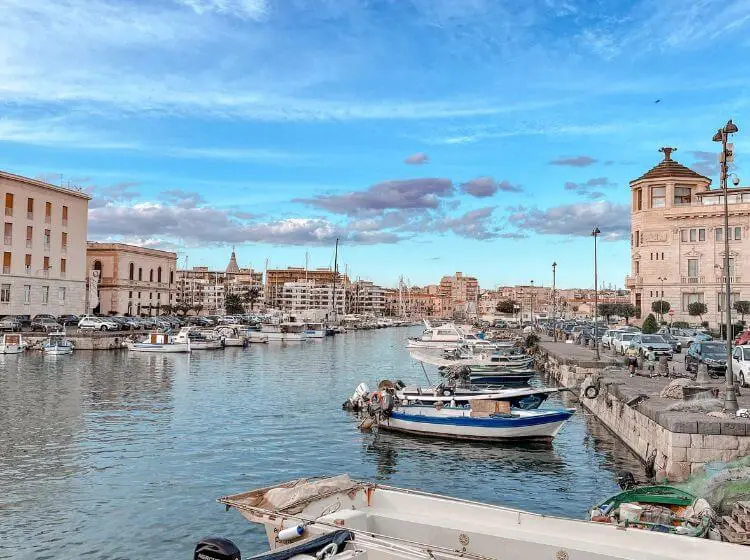
Syracuse (Siracusa in Italian) is on the east coast of Sicily, about an hour south of Catania. It was one of the most important cities of ancient Greece, the birthplace of Archimedes, and its old town, Ortigia, is a UNESCO World Heritage Site.
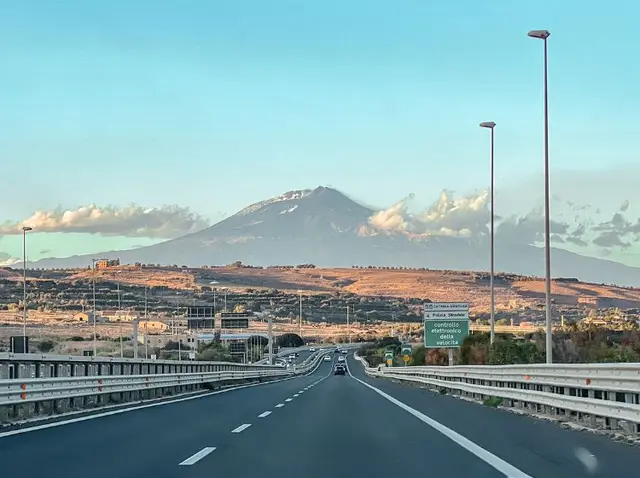
I did it as a day trip from Catania with friends in November 2023, by rental car. Here’s how to get there, what to see in the Neapolis Park and in Ortigia, and what the weather is like out of season.
Quick answer:
- Worth a day trip? Yes. One day covers the Greek ruins and a slow wander around Ortigia.
- Getting there: about an hour by car from Catania, or by bus or train.
- My favourite part: the Ear of Dionysius, a huge cave you can walk into.
- November? Warm and quiet when I went.
Syracuse or Ortigia: what’s the difference?
Syracuse is the city. Ortigia is its old town, on a small island joined to the mainland by bridges. Most of the sights are in two places: the Neapolis Archaeological Park on the mainland, with the Greek ruins, and Ortigia, with the temple, the spring, the cathedral and the castle. Do the park first, then drive or walk over to Ortigia for the rest of the day.
How to get from Catania to Syracuse
| Option | Time | Cost | Good to know |
|---|---|---|---|
| Car (what I did) | About 1 hour | Rental, fuel and parking | Easiest if you want to see more of Sicily |
| Interbus from Catania airport | About 70 minutes | €6.20 one way | Ends at the bus terminal, about 15 minutes’ walk from Ortigia |
| Train | About 1 hour to 1h30 | €8.80 | From Catania airport station or Catania Centrale |
Parking: we found street parking easily and paid with the EasyPark app. Don’t drive into Ortigia itself: much of it is a ZTL (limited traffic zone), and the fines come by post. My guide to driving in Sicily explains how to spot the signs.
You can compare buses and trains on Omio.
Neapolis Archaeological Park
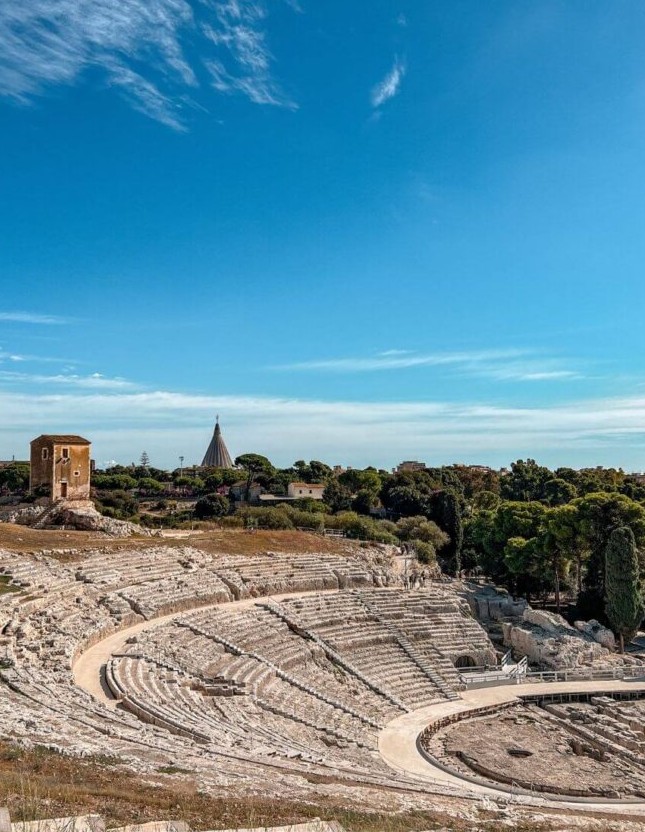
This is the most popular sight in Syracuse, and where I’d start the day. The park is home to the Greek Theatre, built in the 5th century BC with room for about 16,000 people.
The Ear of Dionysius (my favourite)
The Ear of Dionysius is a tall, ear-shaped cave cut into the limestone. Legend says its echo let the tyrant Dionysius listen in on his prisoners. It was my favourite part of the whole day: you walk right inside, and it’s much bigger than it looks in photos.
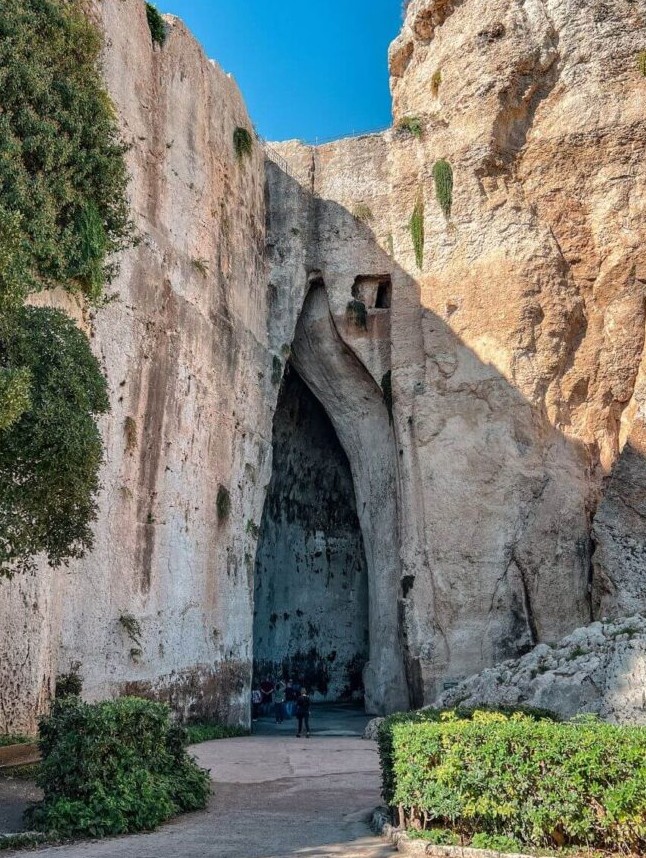
Tickets: entry was about €16.50 when I went, and you can buy tickets at the entrance or online. Prices have changed since, so check the park’s official site before you go.
Going in summer? Every year, from about May to early July, classical Greek plays are staged in this same theatre, organised by the INDA foundation (the 2025 season ran from 9 May to 6 July). Watching a Greek tragedy where it was performed 2,500 years ago is a very good reason to time your trip.
Things to do in Ortigia
Ortigia is small, so you can walk all of it in an afternoon. These are the sights I saw, roughly in walking order from the bridge.
Temple of Apollo
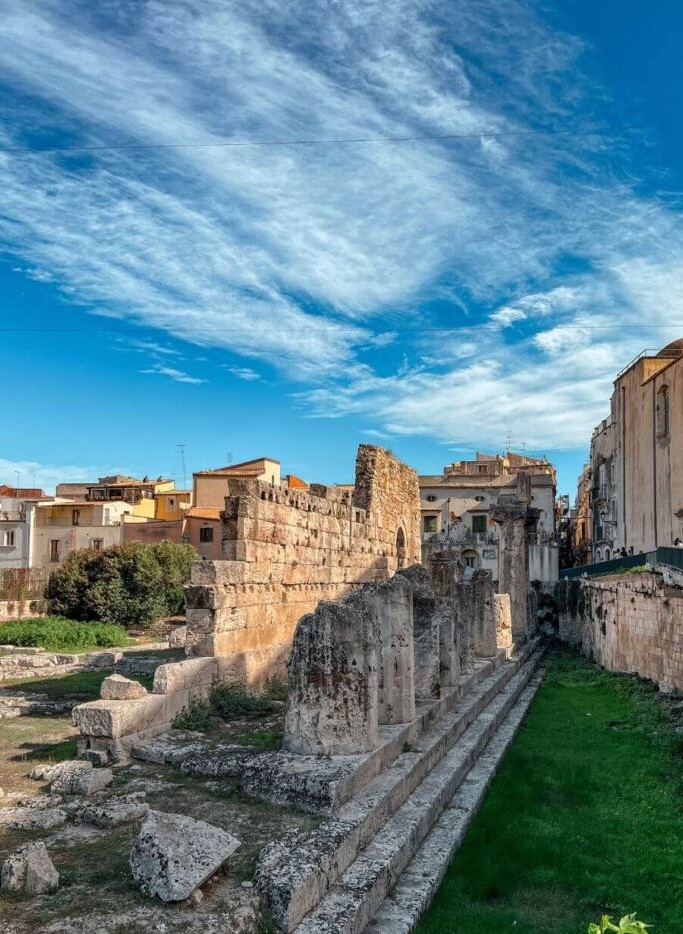
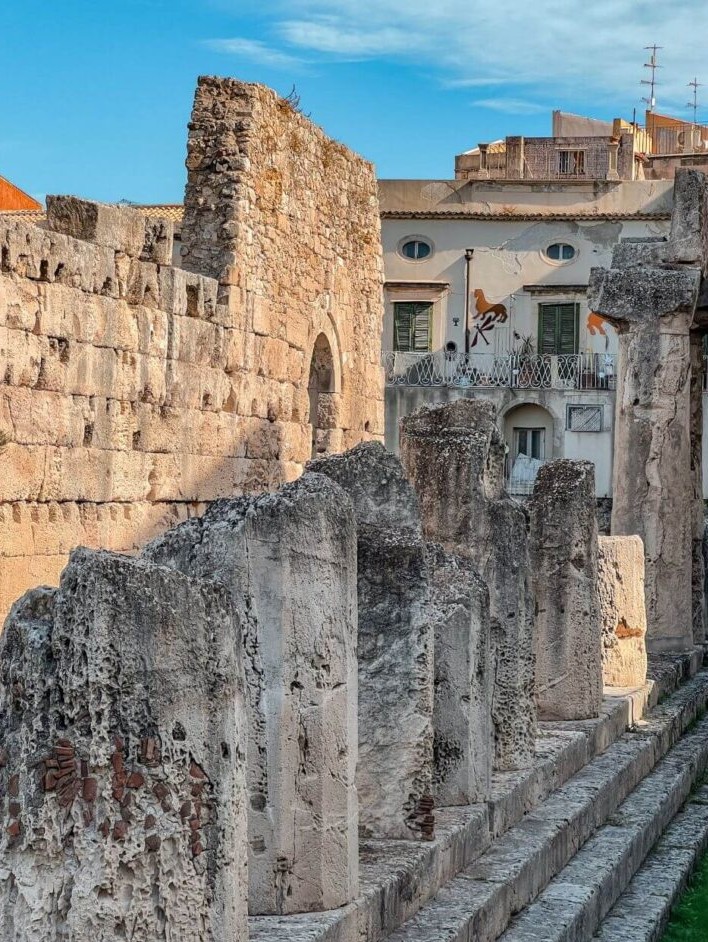
Right after the bridge, the Temple of Apollo dates from the 6th century BC and is one of the oldest Greek temples in Sicily. On weekday mornings, the city market runs just behind it.
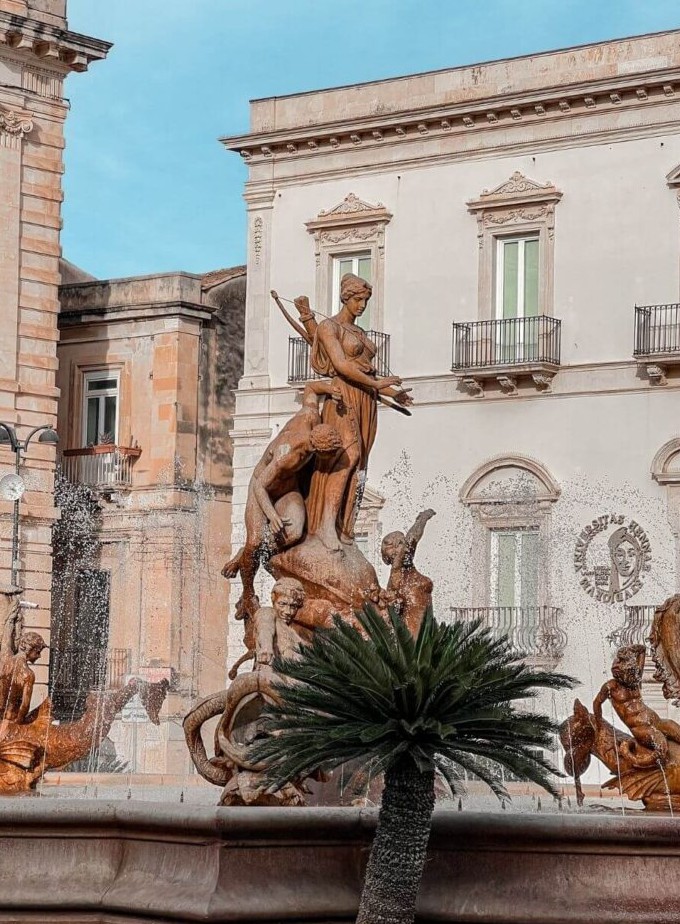
Fountain of Diana
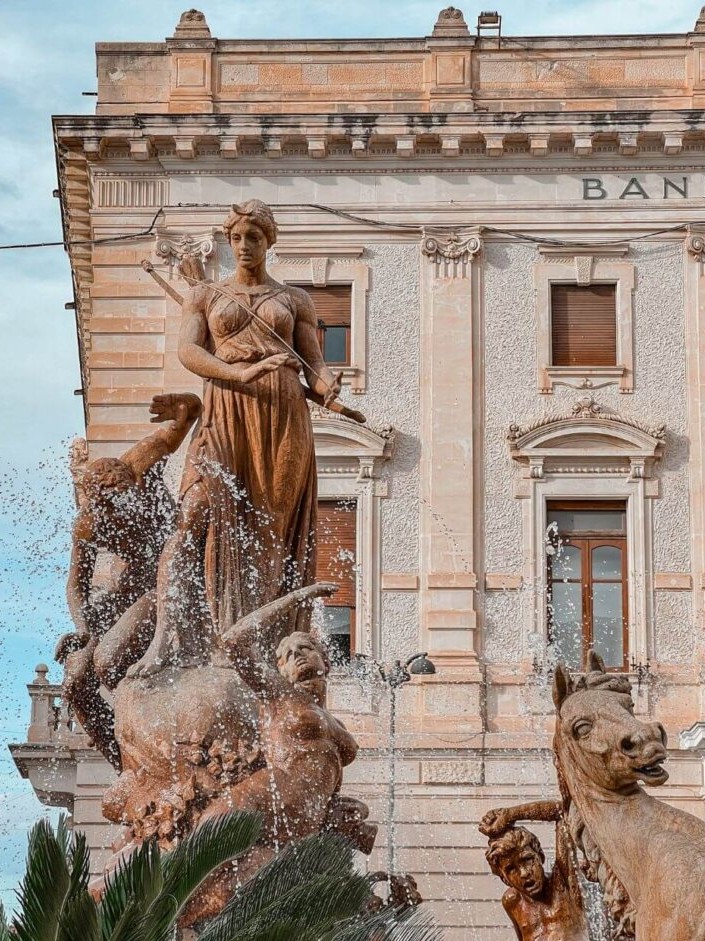
In Piazza Archimede, in the middle of Ortigia, the Fountain of Diana honours the goddess of the hunt. It’s surrounded by cafés, so it’s a good spot for a coffee and some people-watching.
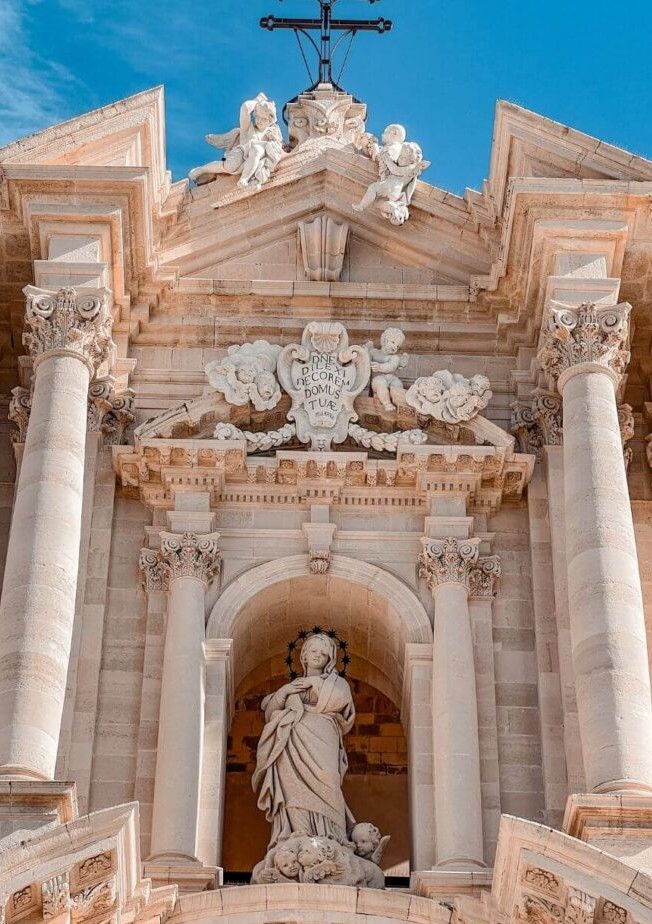
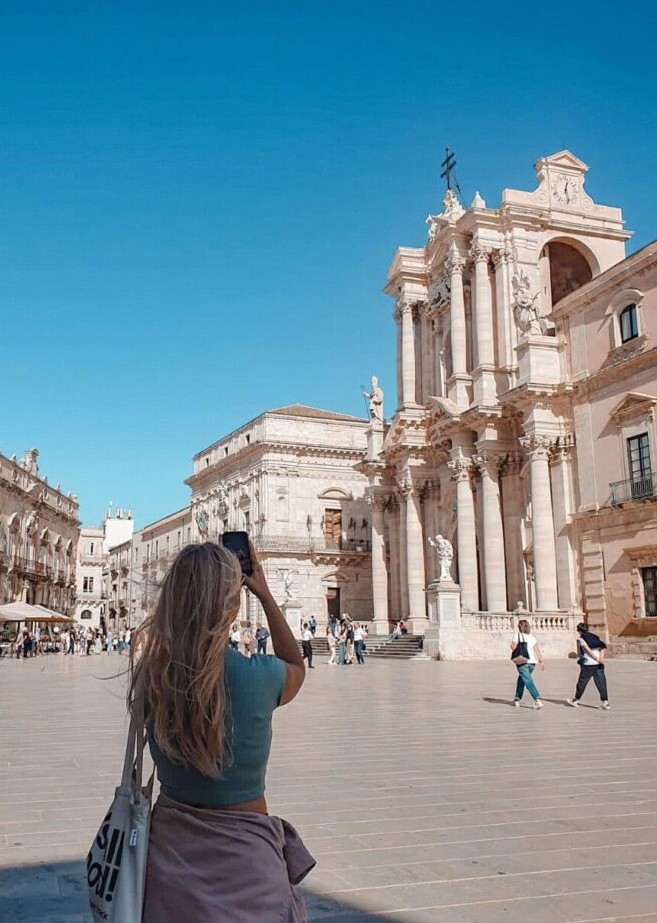
Syracuse Cathedral
The cathedral was built on top of a Greek temple, and you can still see the old columns in its walls. Its square, Piazza Duomo, is the prettiest in Ortigia.
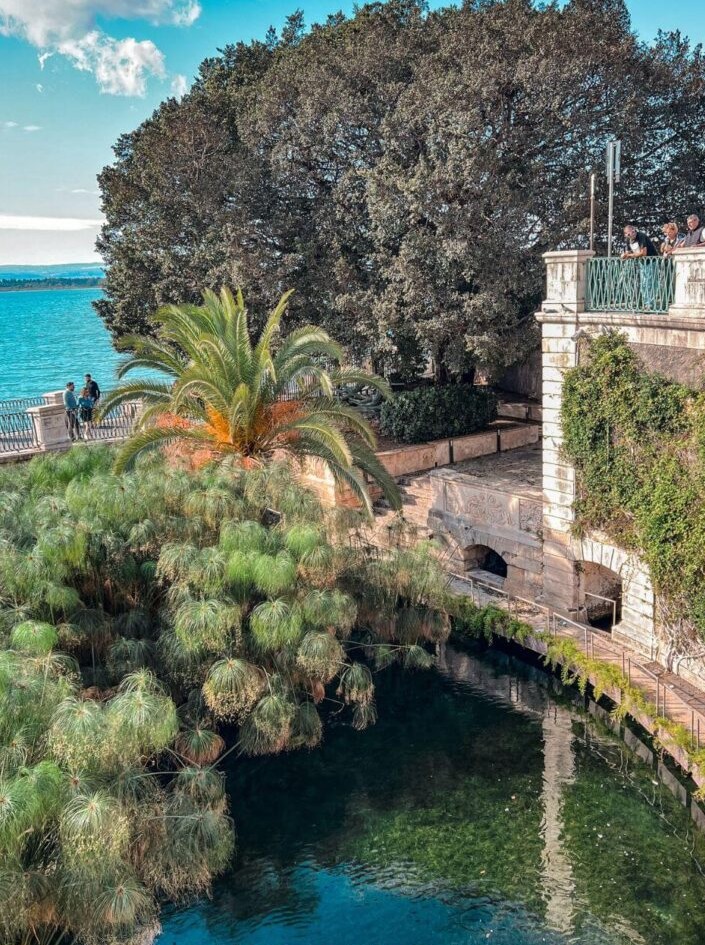
Arethusa Spring
A freshwater spring right by the sea, with papyrus growing in it. In Greek myth, the nymph Arethusa turned into water here to escape the river god Alpheus. The seafront walk around it is lovely at sunset.
Walk the seafront around the island
One of the nicest things to do in Ortigia is free: walk the seafront promenade around the edge of the island. You get sea views the whole way, and it links the Arethusa Spring with Castello Maniace at the tip.
Castello Maniace
At the very tip of the island is Castello Maniace, a fortress built in the 13th century on a spot that was first fortified by the Byzantine general Maniakes, who gives it its name.
If you have more time
I didn’t get to these on my day trip, but they’re the other big sights:
- Catacombs of San Giovanni: early Christian burial tunnels carved into the rock, with frescoes inside. On the mainland, not far from the Neapolis Park.
- The Jewish quarter (Giudecca): narrow lanes in Ortigia, with an underground Jewish ritual bath (mikveh) you can visit on a tour.
- A puppet show: traditional Sicilian puppet theatre (opera dei pupi) still runs in Ortigia.
Where to eat in Ortigia
Arricriati: a restaurant by the sea. We had seafood here and I’d recommend it.
For a cheap lunch, the Ortigia market runs Monday to Saturday mornings, roughly 7 am to 1:45 pm, just behind the Temple of Apollo. I didn’t make it there, but it’s where most people go for street food and a sandwich.
Day trip from Syracuse: Noto
If you stay overnight, Noto is the classic next stop: a whole town rebuilt in Baroque style after a 1693 earthquake, now a UNESCO site. It’s about 35 minutes by car, or about 40 minutes by train. Ragusa and Modica are further, an hour or more away. I haven’t been to any of these yet.
Weather in Syracuse and the best time to visit
The most comfortable months are mid-April to mid-May and mid-September to mid-October. July and August are very hot, with highs around 33°C.
I went in November, and it was warm and quiet. Average highs are still around 21°C and the sea is around 20°C, though November is also the rainiest month, so pack a light jacket.
Where to stay in Syracuse
If you want to stay overnight, stay in or near Ortigia so you can walk everywhere in the evening.
Syracuse FAQ
Is Syracuse worth a day trip from Catania? Yes. It’s about an hour away, and one day is enough for the Neapolis Park and Ortigia.
Is Ortigia the same as Syracuse? Ortigia is Syracuse’s old town, on a small island connected by bridges. The Greek ruins are on the mainland, in the Neapolis Park.
How do I get from Catania airport to Syracuse? The Interbus takes about 70 minutes and costs €6.20 one way. Trains from the airport station take about an hour and cost €8.80.
Where do you park in Syracuse? We found street parking easily and paid with the EasyPark app. Avoid driving into Ortigia: much of it is a ZTL.
Where should I eat in Ortigia? We had a great seafood meal at Arricriati. For a cheap lunch, try the Ortigia market (Monday to Saturday mornings).
When can you see a play at the Greek Theatre? The classical plays season usually runs from about May to early July.
What’s Syracuse like in November? Warm and quiet when I went, with highs around 21°C. It’s the rainiest month, though.
Planning more of Sicily? Read my guides to Catania, Taormina and driving in Sicily.